21 Things to Know Before Visiting Tunisia
If you’re planning a trip to this amazing North African country, this Tunisia travel guide will help you with all you need to know before visiting Tunisia.

I spent two months traveling in the country of Tunisia from the northern tip of the African continent, all the way south to the desert near the border with Algeria. From the Tatouine Star Wars filming locations to Tunisia’s best beach destinations.
In this travel guide to Tunisia, I will provide everything you need to know before you visit this incredible North African country. I want to help you prepare both mentally, and logistically.
Short on time? Here’s what to expect:
- Tips on money, shopping, bargaining
- What to eat and drink (even during Ramadan)
- Tunisian culture (religion, language, clothing, dating, etc.)
- How to get around Tunisia by train, louage, taxi, car rental
- Best places to visit in Tunisia (including Star Wars locations)
Going to Tunisia soon? Get Ready at a glance:
Get travel medical insurance with SafeyWing.
Book your stay with Booking.com.
Check Flights with Skyscanner or Hopper.
Rent a car with RentalCars.com.
Download the Airalo app and get a Tunisian eSIM.
Take a tour with GetYourGuide or Viator.
Have a 1:1 consultation with me in advance!
Read More: 31 Things to Do in Tunisia
The 21 Things to Know Before Going to Tunisia
If you’re planning on visiting Tunisia, I’m here to help. These are the best 21 Tunisia travel tips to help you feel confident and comfortable immediately upon arrival. Of course, travel is all about adventure, and you’ll have plenty of that once you arrive in Tunisia. But why not help and prepare yourself as much as possible in advance!? Here are the 21 things to know before traveling to Tunisia.
1. Tunisia is in North Africa
When I tell people I just got back from 2 months in Tunisia, the first question I always get asked is “Where is Tunisia?” Tunisia is a small country located in the north of Africa, located between Algeria to the west and Libya to the east. You can find the most northern tip of the entire African continent at Ras Angela, in the north of Tunisia.
Tunisia is part of the Maghreb, which is the grouping of the Western countries of the Arab world in North Africa, including Morocco, Algeria, Libya, Mauritania, and the Western Sahara. A large portion of Tunisia’s border sits along the Mediterranean coastline.

2. The Best Time to Visit Tunisia
I visited Tunisia from early February to early April. During this period, the temperatures dramatically changed from rainy February afternoons to warm April evenings with an increasingly later sunset. I could even wear shorts to the beach in late March, and early April.
The period I visited Tunisia was during the shoulder season, which meant there were fewer tourists and lower prices. The most popular time to visit Tunisia is during the summer months from June to mid-September when temperatures reach up to 80-95F (26-37C). If you’re planning to spend the majority of your Tunisia travel time at the beach, then you should aim for the summer.
If you’re less interested in the Tunisian beaches and more interested in the desert culture, then a visit in the shoulder seasons is ideal (March to May; October and November). That way you can avoid the hot summer heat in the desert, and the hoards of tourists heading to Hammamet.
Read More: Tunisia’s 7 Best Beach Towns

3. Tunisian Visa
One of the first things I Googled once I decided to visit Tunisia was “Can US citizens travel to Tunisia? Do US Citizens need a visa for Tunisia?” Luckily for me, the answer was no. US citizens, along with citizens from 95 other countries do NOT need a visa to visit Tunisia for tourism purposes. You can stay for up to 90 days.
Entering Tunisia was very easy. I only needed to show my passport, and I didn’t need to show proof of funds, housing, or an onward ticket.
4. Plugs in Tunisia
Tunisia uses plugs style C and E. Style C has two round pins and is the same plug that is used in Europe and Argentina. Style E has 2 round pins with a hole. Tunisia functions with the 230V supply voltage and 50Hz.
Going to Tunisia soon? Get Ready at a glance:
Get travel medical insurance with SafeyWing.
Book your stay with Booking.com.
Check Flights with Skyscanner or Hopper.
Rent a car with RentalCars.com.
Download the Airalo app and get a Tunisian eSIM.
Take a tour with GetYourGuide or Viator.
Have a 1:1 consultation with me in advance!
5. Money in Tunisia
One of the most important things to figure out before traveling is the money situation. Every country does things slightly differently, so it’s important to be financially prepared before your journey in Tunisia.
The Dinar
Tunisia uses the dinar. Shorthand you will see it written as TND (Tunisian Dinar).
In 2024, the exchange rate is about 3 TND to $1.
The strangest thing about money in Tunisia is that they use an additional decimal place. For example, you can see a price of 12,500. That is not 12 thousand and five hundred Dinars. That is 12 Dinars and 500 millimes (cents). You will find coins with 100, 200, and 500 millimes.
Two coins of 500 millimes are equal to 1 Dinar. The easiest way I found to make it make sense was to just remove the last number. For example, if a price is 12,500 TND, I imagine it as 12.50. Twelve and a half. That just makes more sense in my brain.


Cash is King
This is one of the few bad things about Tunisia. Cash rules everything. In a world that operates on quick transactions and tapping your phone to make a payment, Tunisia goes old school.
Nearly everything you do in this country will be paid for in cash including tourist attractions, manicures, haircuts, transportation, etc. Make sure you always have enough cash on hand. I did manage to find one place in the Sousse souk where I could buy a new suitcase with a credit card.
Using Credit Cards
There are very few places where you can use a credit card in Tunisia. The only places we found to use our credit cards were at big supermarkets like Monoprix and Carrefour. We could not use credit cards at smaller shops, veggie stands, or most restaurants. There was just one restaurant in Tunis that allowed me to pay with a credit card as it catered to tourists in Tunisia.
Money Exchange
You can do a money exchange at the airport with USD and Euros. There are also several currency exchange locations in all major cities, especially around Tunis. I’ve read that it’s illegal to take TND out of Tunisia, I found it impossible not to.
At the Tunis airport, I went to three different counters in an attempt to exchange my remaining Dinar for USD. One counter just completely ignored me and refused to do the exchange. One counter only had a $100 bill USD and wouldn’t do the exchange. The third counter said I needed to show my ATM receipt where I had received the money to prove where I got it from. I didn’t have my ATM receipt, so I left Tunisia with the equivalent of USD 60.
I thought I would be able to purchase something at the airport using my remaining Dinars, but the airport only accepts euros or dollars at both DutyFree and all cafes and dining establishments.
Getting Money from ATMs
I found it easy to find an ATM around the city, though I prefer to go directly to ATMs at bank branches as they tend to have smaller transaction fees. Still, nearly every ATM I used in Tunisia (except once in the airport) charged a fee between 10-15 TND ($3-5 USD).
I like to use my Wise international bank card when traveling because I get 2 free transactions (of $100 or less) per month. That way I’m not charged a bank fee twice.
Prices in Tunisia
I found the majority of things in Tunisia to be very affordable, except for housing. We stayed in an Airbnb (2-bedroom) in La Marsa for $1000/month in Tunis. In Sousse, we paid $750 for a 2-bedroom Airbnb for a month. I stayed one night in Hammamet at a 3-star hotel and paid about $35/night, which included breakfast.
I thought that tourist attractions in Tunisia were fairly priced. Most of the Star Wars filming locations down south were free. The Bardo Museum, the entire Carthage site, and El Jem Amphitheater cost 12 TND (4 USD) each. The Roman ruins in Dougga were 8 TND (3 USD).
Read More: Ultimate 1-Day Itinerary for Carthage Tunisia
Food at tourist restaurants, particularly in Sidi Bou Said, is going to be on the higher end of the price scale. A meal for one person might range from 30-40 USD. However, if you eat Tunisian street food, you can expect to pay much less. I found bambaloni and fricasse for 1 TND (.30 USD) each. A kafteji sandwich and lablebi sandwich were around 3 TND (1 USD) each. I got a full plate of couscous and chicken for 8 TND (3 USD).
Read More: Best Guide to Tunisian Street Food
Tipping in Tunisia
Tipping in Tunisia is generally not expected. I did not tip for haircuts, manicures, meals at restaurants, etc. When taking a taxi, I usually rounded up to make it easier.
6. Cats in Tunisia
There are cats everywhere in Tunisia. If you’re allergic to cats, it should be fairly easy to avoid them, but you will see them around. I have never seen an aggressive cat in Tunisia. In general, they are either scared of you and run away, or very affectionate and love a good pet. People don’t often leave food out for them like they do in Istanbul, but most of them look clean and healthy. I’ve seen many shops and restaurants give them scraps.


7. Language in Tunisia
In Tunisia, the two official languages are Arabic and French. Many Tunisians grew up going to French schools so they write/read French even better than they do Arabic. But everyone in Tunisia speaks Arabic fluently. There are certain areas of the county where each language is more prominent. For example, French is the preferred language in the La Marsa neighborhood of Tunis, whereas you’ll find much more Arabic spoken the further south you go in the country.
Tunisia was once a French colony, hence the French currently spoken widely throughout the country. Tunisia gained its independence from France in 1956, but the language stuck. The younger generations tend to speak English fairly well, as they have been highly influenced by video games and movies in English.
The majority of signs and postings are in both languages, but there are certain places where there is only Arabic written. Many street signs are written only in Arabic, and I found a few louage stations where the destinations were listed in only Arabic.
That said, I do not speak Arabic and have very basic conversation skills in French, and I managed to get around just fine.


8. Religion in Tunisia
The majority of Tunisians are Muslim, which is apparent in many facets of life here, becoming particularly more apparent during the month of Ramadan. There is a much smaller population of Christians and non-practicing Muslims. The southern island of Djerba is famous for having a large Jewish population.

Because Tunisia is a Muslim-majority country, you will hear the call to prayer 5 times each day from each mosque around the city. The 4th most holy city in Islam, after Mecca, Medina, and Jerusalem is in Tunisia, in a town called Kairouan. There is a mosque and mausoleum dedicated to the barber and close friend of Prophet Mohammed.
Tunisia is considered to be the most ‘liberal’ country in the Muslim world and pride themselves on being more open and accepting of certain things, such as clothing, hijabs, dating, etc.
9. Ramadan in Tunisia
Ramadan is a one-month-long holiday where Muslims are required to fast during daylight hours. Fasting during Ramadan is one of the 5 pillars of Islam, and serves to remind the followers of the Prophet Mohammed to think of those less fortunate who are not always able to eat.
Because Muslims cannot eat during the daylight hours during the month of Ramadan, many places shut down including cafes, restaurants, and even small shops. You will rarely see anyone eating or drinking in public during this month, during the day. However, the nighttime comes alive during Ramadan, especially in the medina of Tunis. You can find people eating, dancing, and celebrating until the wee hours of the morning.


If you’re in Tunisia during the month of Ramadan, you should avoid eating and drinking in public to show respect.
Coincidentally I spent the entire month of Ramadan in the city of Sousse. Almost every restaurant and food stand was closed. We did find one small shop open selling fresh juices. In Kairouan there were shops selling treats that are specifically for Ramadan, called Makharak and Zalebia (photos above).
I took many day trips from Sousse during the month of Ramadan and it was hard to find food in those places. I found one restaurant open in Monastir. In Hammamet, I felt Ramadan the least, as it is such a touristy city that most restaurants stayed open during the day.
It is forbidden to sell and drink alcohol during Ramadan.
10. Food and Drink in Tunisia
Water
One of the most common questions people ask is “Can you drink the tap water in Tunisia?” The answer is no, not really. We boiled water to avoid buying so many plastic bottles, but the taste was really bad. Unfortunately, we struggled to find large 5L water jugs at the supermarkets and were stuck buying several packs of 2L water bottles.
Black Tea and Men Cafes
Tunisians drink a lot of sweet black tea. You will see what I like to call Men Cafes all over Tunisia. They are outdoor cafes where only men go and sit with their friends, drinking tea, for hours. Women are not prohibited from going, but you rarely see them there. Personally, I would not feel comfortable going to one if I were alone.


Tunisia Street Food
A lot of Tunisian cuisine contains tuna, eggs, chickpeas, and olives. Tunisians also like their food spicy, so expect to find a lot of harissa sauce around.
Some of the most common foods in Tunisia are:
- Lablebi (chickpeas in spicy sauce with meat and eggs)
- Kafteji (mix of potatoes, tomatoes, green peppers, eggs, pumpkins, parsley)
- Fricassé (fried dough sandwich with olives, potatoes, eggs, and tuna)
- Brik (deep-fried dough with an egg hidden inside)
- Bambaloni (fried dough with sugar, like a thin donut)
- Makroudh (small cookies made with dates and nuts)
- Couscous (with fish, chicken, or lamb)


Read More: Guide to Tunisian Street Food
Alcohol in Tunisia
Unlike many Muslim-majority countries like Egypt for example, drinking alcohol in Tunisia is quite common. There are many bars, restaurants, and lounges where alcohol is served. You can find beer and wine in most large supermarkets, though it is usually in a separate section from the rest of the food. Tunisia even has a few local beer brands that are popular with locals such as Celtia and ElBeya.
It is illegal to sell alcohol during Ramadan, so you will not find it at any restaurants, even at night. If you’re in Tunisia during Ramadan, you will need to purchase everything you need in advance and stock up for the month. Shops will not start selling alcohol again until 2 days after Ramadan has ended.
11. Internet and Data in Tunisia
This is probably one of the most essential points for any digital nomad considering Tunisia. I have mediocre news for you. It’s not as great as South Korea and not as bad as Egypt.
eSIM Card
Getting a local sim card in Tunisia was incredibly easy and affordable. There are 3 main phone companies that you’ll find: Orange, Tunisia Telecomm, and Ooredoo. You can find all three at the airport in Tunis.
When we first arrived, we headed over to the Ooredoo counter to get our eSIMs, which were free. We then chose a data package, paid, and activated our cards. We were good to go within minutes. The packages were really affordable. I got 6 GB of data for 15 TND (5 USD) for the entire month. Later on, I purchased a 25 GB plan for 30 TND (10 USD) for the month.
If you want to avoid local companies, you can download the Airalo app in advance, and purchase a Tunisia plan. Use code NICHOL5388 to get $3 off your first purchase.
When I travel, I use a combination of Airalo, local E-Sims, and Google Voice to keep my US phone number.
I found the Ooredoo coverage to be quite good around the country, especially in the bigger cities. The only places I struggled to get coverage were in the Oases near the border with Algeria and around Tozeur.


Using the Internet
During my two months in Tunisia, I spent one month in Tunis and one month in Sousse, both at an Airbnb. I would give the local internet in Tunis a 7/10 and a 6/10 in Sousse. My friend struggled more than me because he was teaching English via video, and at times, the video was lagging. He had to use his hotspot to finish some classes.
Being a blogger, I had an easier time with the internet than he did, but there were still several times I found myself frustrated at the speed and quantity of times it just disappeared. Our host in Sousse had to bring us a new modem that only slightly improved things.
I never had decent wifi in a single hotel or guesthouse I stayed at in Hammamet, Tozeur, El Kef, Tatouine, etc. during our Tunisian road trip and day trips. Instead, I was stuck using my phone’s data. If good wifi is important to you, I suggest asking the host to send you the results of a speed test.
Tunisians Online
Tunisians are extremely proud of their Carthaginian heritage. However, if you post anything online mentioning any part of their history of Roman colonization, you will find they are a bit in denial. This is one thing that surprised me the most.
There are several Roman-influenced places in Tunisia such as the Dougga Ruins or El Jem Amphitheatre. All informational boards at these sites mention Roman history. Tour guides at these sites discuss the Roman influence. All information online, including the UNESCO World Heritage website mentions the Roman influence. Tunisian scholars, historians, and archaeologists discuss the Roman influence.
However, if you mention anything online (on Instagram or TikTok) about the Roman influence, you will receive a wave of comments informing you that this is incorrect. According to people online, everything is Carthaginian and nothing is Roman. I mention this because the sheer number of people in denial about this part of their history caught me by surprise. If you plan to correctly state that the El Jem Amphitheatre is Roman, be prepared for the attacks.
12. Shopping in Tunisia
Tunisia has all the major European brand stores like Stradivarius, Birshka, decathlon, etc. But the best shopping can be done inside the souks of each city, especially in the Sousse and Tunis Medina. Some of the most common things you can buy in Tunisian Medinas are:
- Pottery/ceramics (bowls, plates, tajines, cups, tiles)
- Jalabas
- Traditional Berber jackets
- Silver trays, cups, plates
- Carpets and rugs
- Oils
- Leather shoes and bags
- Soaps, spices, and incense


Bargaining in Tunisia
Bargaining is common in Tunisian markets. It is expected. It is also tiring after you’ve done it a dozen times, but it’s like a game for the sellers and they expect you to play along. They don’t like to tell you the price of anything directly. They will ask what else you might want to buy in order to tell you the total price of several things combined.
Don’t buy anything in Hammamet if you can avoid it. The prices I found there were astronomical compared to everything else around Tunisia. Bizerte had the best prices for pottery, and Kairouan is famous for carpets and copper trays. Sousse had the cheapest soaps in the medina, and you’ll find the best prices for the traditional clothing in the south.
13. Transportation in Tunisia
If you’re wondering how to travel in Tunisia, the answer can be quite varied. There are trains, buses, louages, taxis, etc. Tunisians will tell you that you need to have a car, but that all depends on where you’re going, what you’re doing, and how much time you have.
Trains
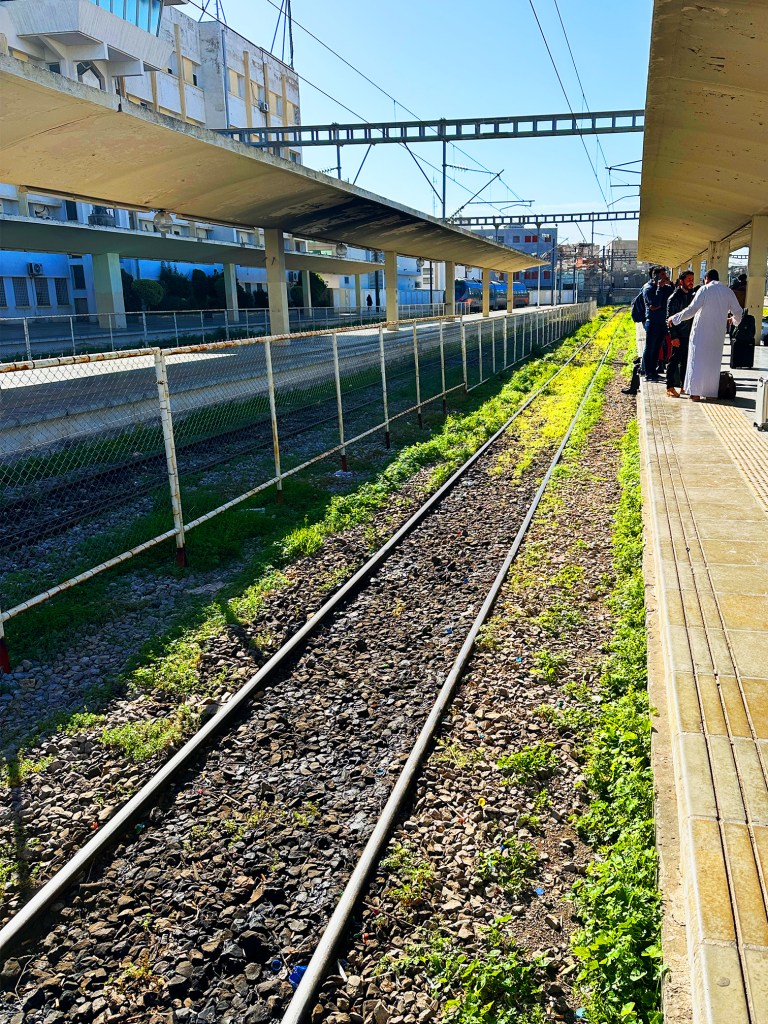
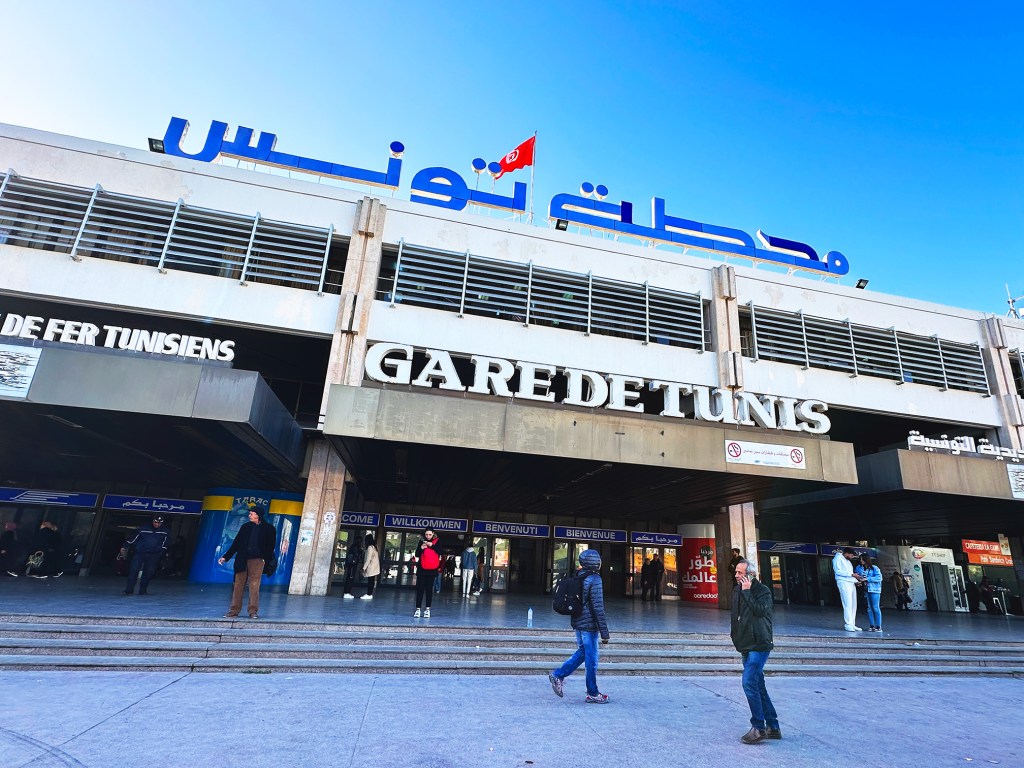
There is one main train line that goes from Tunis to Metlaoui, with stops along the way, the main ones being Sousse and El Jem. You can check the train schedules in Tunisia here.
Train prices are really affordable. Between Tunis and Sousse the price for a first class ticket was 10,400 TND (3.5 USD), and the second class was 8 TND (2.70 USD).
I usually like to purchase train tickets well in advance, but in Tunisia, it is not necessary. Most people show up and buy tickets 15 minutes before the scheduled time. Also, you don’t need to sit in your assigned seat. You can sit anywhere in the car for the class you purchased.
The trains are mostly falling apart, and have pieces hanging from the ceiling. The hallways and seats are dirty, even in “first class.” Don’t expect much.
Also, trains are almost always late. The train was 50 minutes late on our leg from Tunis to Sousse. On the return journey from Sousse back to Tunis, the train was over 3 hours delayed. The workers at the station couldn’t guarantee when the train would actually arrive, so we ended up just taking a taxi to the louage station instead of waiting longer.

Louages
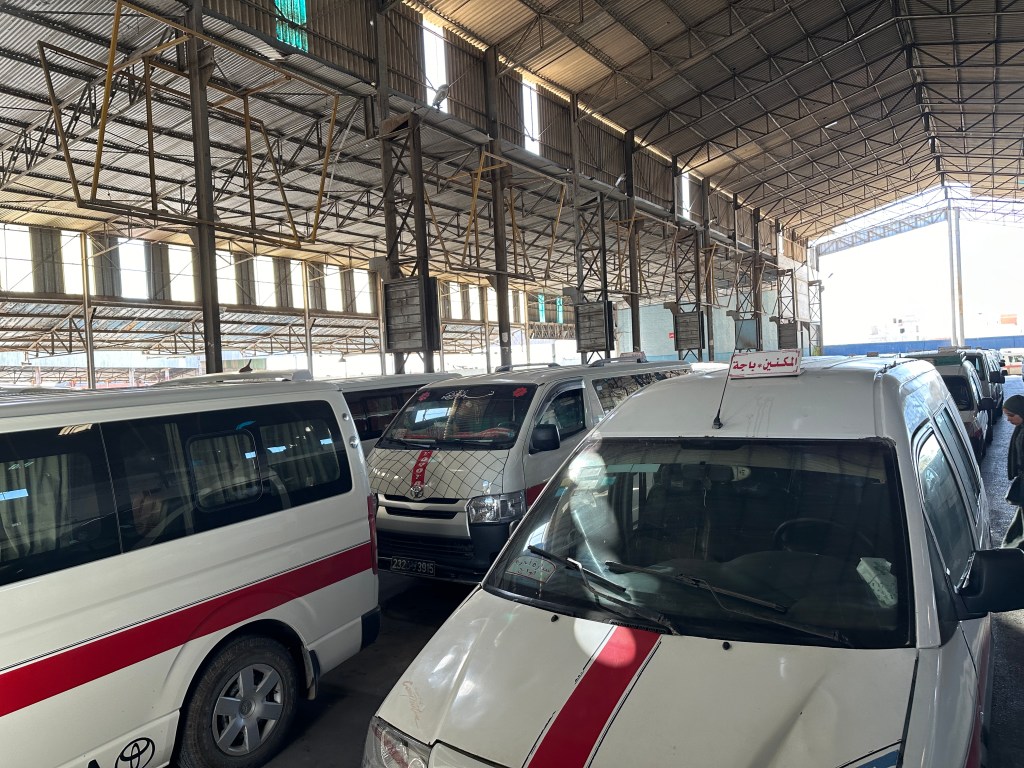
Louages are shared taxis. The local louages are usually yellow, and the intercity louages are white with a red stripe. Every city has at least one louage station. You buy your ticket from the window, then someone will point you to the correct van. The van will leave as soon as it’s full, which is usually 8-10 people, so there is no set schedule.
Louage drivers typically drive pretty fast, and there is only one seatbelt in the very front seat. Prices are determined by distance but are always very affordable. The louage price between Tunis and Sousse is 13 TND (4 USD).


Read More: How to Take a Louage in Tunisia
Taxi/Bolt
To get around inside the city, you can easily take a taxi. There are yellow taxis all over, especially in the bigger cities. I rarely had to wait more than a couple of minutes for a yellow taxi on the street. Make sure the drivers use the meter. If they try to tell you a price in advance, get out of the taxi and find a new, more honest driver. Yellow taxis are cheaper than Bolt, but at least with Bolt you always know the exact price in advance.
Bolt is a rideshare app like Uber or Lyft. It works exactly the same, except that you can only pay in cash. The benefit is that you know the price in advance, and you know exactly who your driver will be. You can also follow along on the in-app map. You can even share your location with someone via the app.
Renting a car
While public transportation is often a good option, renting a car allows you a lot more flexibility. I rented a car with two friends and did a one-week road trip all around Tunisia. It allowed us to stay in places outside of city centers, stop in small towns along the way, and maintain our own schedule. We rented a car with RentalCars.com and had a really positive experience with them.
If you are mostly spending time inside cities and don’t have any intention of moving around a lot, you don’t need to rent a car. But if you want to be able to see a lot of places on your own time, then renting a car in Tunisia is a good idea.
Read more: Complete Guide to Renting a Car in Tunisia 2024
14. Driving in Tunisia
If you decide to drive a car in Tunisia, there are definitely a few things you should be aware of, as it may be a bit different than where you’re from.
- Don’t expect anyone to use turn signals.
- Gas is pretty affordable. It usually cost us 90-100 TND (30 USD) to fill up a tank.
- Everyone speeds. All the time. Everywhere.
- There are a ton of speed bumps. Some are painted, some are not, so they may catch you by surprise. Be careful!
- Tunisians don’t like to choose one lane to drive in. Instead, they opt to drive exactly in the middle of the lanes, not allowing anyone to pass on either side.
- There are several checkpoints when driving around Tunisia. Make sure to have your passport on you if you do a Tunisian road trip.


15. Clothing in Tunisia
Do I need to cover my hair in Tunisia? No. You will see many women wearing the hijab in Tunisia, but you will also see many women without it.
There are not really any clothing rules to follow as there might be in other conservative countries. I saw women wearing tank tops and even some young girls wearing midriffs. In the summer, you can wear shorts, especially near the beach, but it won’t be quite as common in the city center. It is fine to wear jeans with ripped knees.
I saw men wearing mostly jeans and T-shirts with a stylish jacket. Women often covered their shoulders and knees and had a good fashion sense.
16. Tunisia is Safe to Visit
My advice for traveling to Tunisia is to have an open mind. This is a very safe country with people who want to interact with foreigners. Sometimes it’s too much (see next section about female solo travel), but on the whole, Tunisia is a comfortable and safe country to travel in. I did not experience the levels of harassment in Tunisia that I did in Egypt and Morocco.
Tunisia has certainly gone through its fair share of turmoil in the past couple of decades- the Arab Spring began in Tunisia in 2011, and a couple of terrorist-related shootings happened in 2015 (in Port Kantoui, Sousse and the Bardo Museum in Tunis), which naturally decreased tourism in the country. However, Tunisia has made big changes since then, and I can confidently say that it is a safe place.
I never felt physically threatened, or worried about getting my phone or other items stolen from me. However, you should still use common sense when traveling in Tunisia, especially on public transportation.
The only thing that made me feel unsafe in Tunisia was the men (more details below).
17. Being a Solo Female Traveler in Tunisia
After struggling with unwanted male attention in Egypt, but especially in Morocco, I was curious and anxious to see how it would feel in Tunisia. Fortunately, I felt much more safe in Tunisia. I celebrated the fact that virtually nobody paid any attention to me in Tunis. I felt free. As I traveled around the country on a one-week road trip, I continued to feel that way. People were curious, friendly, and welcoming.
Coastal Cities
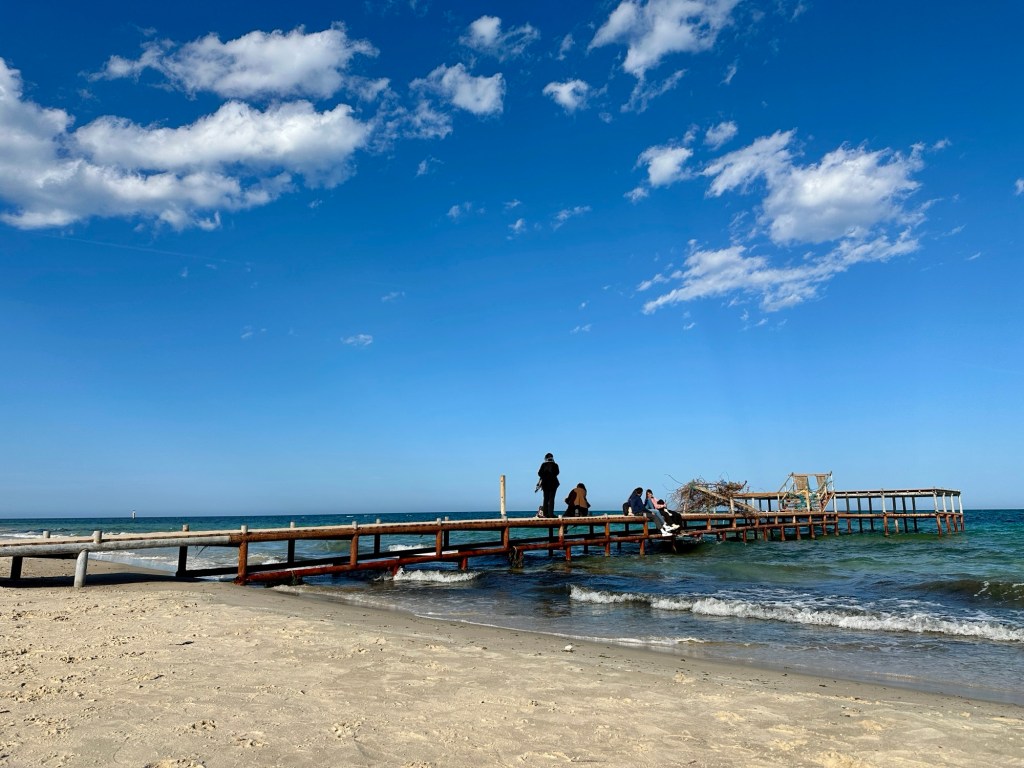
But then I went to Sousse for my second month in Tunisia and my feelings started to change. I was followed by multiple men, multiple times, asking for my Instagram, my name, where I’m from, etc. Things I did not experience even a little bit in the capital city. I started to notice this was a pattern with other coastal cities I visited- Sousse, Monastir, and Hammamet in particular. Men followed me. They asked me personal questions, and if I ignored them, they got angry with me.
When I took walks down the beach in Sousse, I started counting how many men went out of their way to stop me and ask questions or get my attention. Just 5 was a good day. This was beyond a naive curiosity. It was an annoyance and an intrusion. On one occasion I filmed a young boy who followed me for ten minutes down the street begging for my Instagram as I shouted for him to leave me alone. Finally, I ran into a crowd and disappeared.
I don’t say these things to scare you, but only to prepare you. The men were not as aggressive or intimidating as in Morocco, but they still made me uncomfortable. I’m not talking about all Tunisian men. I met fantastic Tunisian guys. But if you are near the coast, you should be prepared for the inevitable unwanted attention. Though as a woman, I guess you’re already used to that.
18. Dating Culture in Tunisia
While Tunisia considers itself to be more liberal than other Muslim-majority countries, the dating culture is not comparable to Western countries.
It is illegal for men and women to kiss in the street if unmarried. You will rarely see affectionate couples in public, except those hidden in corners near the beach. Couples might hold hands or link arms in public, but it will not go further than that.
I was also told several times that many Tunisian men see foreign women as a way to leave their country, which is why so many men approach you and try to speak with you (as a woman). Whether that is true for all men, I don’t know.
Also, it is still common to remain a virgin until marriage, for both men and women, due to religious reasons. Lots of young people date with intentions to marry, rather than date casually. Because of this, young people don’t often have many dating experiences, which leads to emotional immaturity and naivety surrounding sex and dating.
That said, Tinder is widely used in Tunisia. When I was in Tunis, I used Tinder and went on a couple of dates with a great guy who was very kind. My male friend also used Tinder and spoke to several women online, who were too nervous to meet up with him in real life. Foreign men should not come to Tunisia and expect casual sex, as it is very uncommon It is possible, but not common.
19. What to See in Tunisia
For a small country, there are so many things to do in Tunisia. There are mountains, beaches, cities, and deserts. There is something for everyone.
Cities in Tunisia
Tunisian cities are so interesting. Most of them have a Medina (old city walls) with a souk (market) inside, and lots of cultural flair. Here are some of the best cities to visit:
- Tunis (Tunisia’s capital city)
- Sousse (the third largest city, and a big beach town)
- Kairouan (Tunisia’s holiest city)
- Bizerte (most northern town in Africa)
- Tozeur (desert town and a good base for exploring the area)
- Tatouine (the city itself is not great, but a good place to explore the surrounding areas)
- El Kef (in the northwest, famous for olive oil, with a very cool fortress)
Tunisia Beaches
Tunisia is most well-known for its beaches. One entire side of the country is along the coastline. Here are the most popular beachside cities and towns to visit in Tunisia:
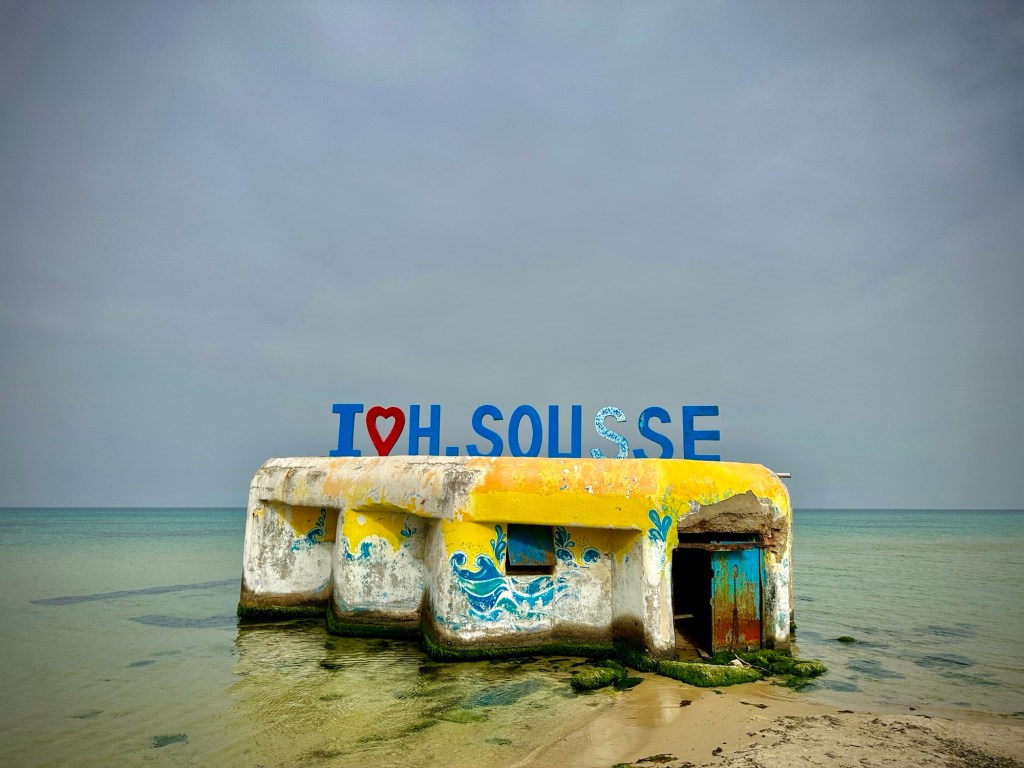
Read More: Tunisia’s 7 Best Beach Towns
Deserts in Tunisia
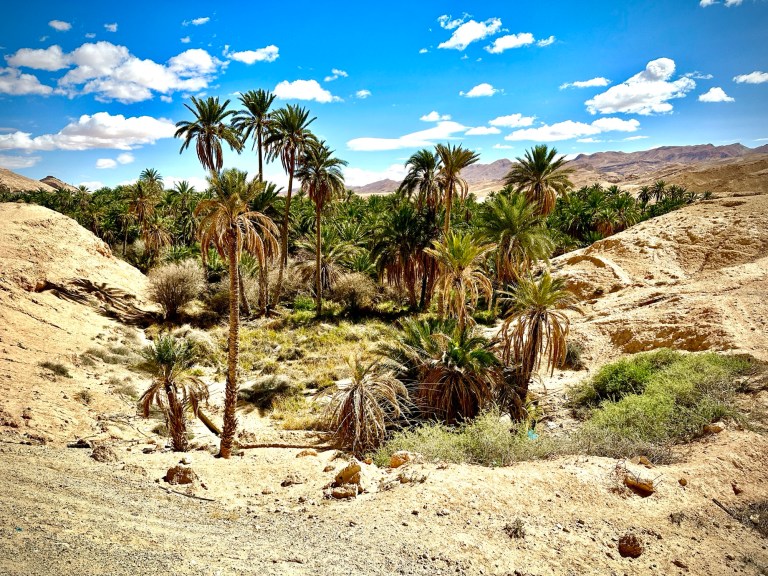
You can find Tunisia’s Sahara Desert in the south of the country. If you look at a map, you’ll see what looks like two large lakes in the south of Tunisia, called Chott el Gharsa and Chott el Djerid. In fact, these are not lakes but giant salt flats and deserts.
The town of Tozeur sits right between these two salt flats, making it a perfect place to base yourself to see the Chebika, Mides, and Tamerza Oases, as well as Mos Espa and Ong Jemal in the surrounding desert area.
Go southeast from Chott El Djerid, and you’ll find the governate of Tatooine, which is another section of the Sahara Desert, and where many of the Star Wars locations were filmed. The town of Douze (on the eastern edge of Chott el Djerid) is considered to be a gateway to the desert and the Jebil National Park. You can do many desert treks and tours from there.

20. Tours in Tunisia
While some trains and louages go to many of the main cities, there are still certain places you just can’t get to without a little help. We rented a car for a week, which was great, but even still, a 4×4 was required to reach several places in the desert that unfortunately we had to miss. If you don’t want to rent a 4×4 yourself, then I suggest doing a tour in Tunisia. They can be great fun as you’ll get to meet new people on the trip as well. Check both GetYourGuide and Viator. Here are a few I suggest:
- 5-day Star Wars Tour
- Tozeur: Chebika, Tamerza, Mides and Star Wars Day-Trip
- Douz: Sunset or Sunrise Sahara Desert Camel Ride
- Private Tour to Kairouan, El Jem & Monastir from Tunis or Hammamet
- Private Excursion to Testour, Dougga and Bulla Regia from Tunis
- Private 3-Day Excursion to the Tunisian Desert
21. Star Wars in Tunisia
The planet of Tatooine in Star Wars was filmed all over the south of Tunisia between Tozeur, Tatouine, and Djerba. There are a ton of really cool places you can visit that were both filming sites and scouted locations that didn’t make it to the final filming. Whether you’re into Star Wars or not, these places are pretty awesome to visit. Check out my post on the Star Wars filming locations.

Final Thoughts on What to Know Before Visiting Tunisia
If you’re wondering if Tunisia is worth visiting, the answer is yes. I love that Tunisia is off the beaten tourist path. You will never find overly crowded sites or overpriced attractions. The Tunisian people are friendly and welcoming. It is a safe country with lots to offer from big cities to beaches and deserts. Because of its smaller size, nothing is ever too far away. Tunisia is one of the best countries I’ve traveled to in a long time. I imagine that it will become a hotspot in the next decade, so hurry up and get there now before it becomes another popular Mediterranean holiday spot.
Pin these photos to Pinterest for future reference.


TRAVELING SOON?
INSURANCE: Cover yourself with travel medical insurance by SafetyWing.
FLIGHTS: Get the best flight deals with Skyscanner and set flight alerts with Hopper.
STAYS: Check out hotels and apartments with Booking.com and Vrbo.
RENTAL CARS: Get the best deal on rental cars with Discover Cars or RentalCars.
GOING HIKING? Get a 30% discount off your yearly AllTrails+ Account (code: nickiposts30)
eSIM: Get an international eSim with Airalo.
CITY GUIDES: Save time and purchase pre-made city guides with Thatch.
CITY TOURS: Book your tour with GetYourGuide and Viator
LUGGAGE: Get the best carry-on suitcase here.
CREDIT CARD: Start earning travel points with the best travel credit card.
BUENOS AIRES GUIDE: Purchase my Buenos Aires travel companion here.
CONSULTATION: Book a 1:1 travel consultation with Nicki here.
SUBSCRIBE: Get the Nicki Posts Travel Stuff newsletter every month.
TRAVEL BETTER: Check out my Travel Tips and best Travel Resources pages.
MORE? Check out more on my LINKS page to find me in more places!




You must be logged in to post a comment.