This is the First Thing To Read Before Going to Buenos Aires (2025)
If you’re thinking of visiting or moving to Buenos Aires in 2025, make sure to read this first to know what to expect in 2025.

The first time I went back to Buenos Aires after 16 years away, it felt the same but different. In many ways, it was like coming to a new city for the first time. I did a lot of research before I came, and lots of things were hard to find. So here in this post, I’m going to lay out all the things I wish I knew and needed to know before I came!
I lived in Buenos Aires for 6 months in 2005. At that time, I paid 360 pesos a month for rent. I made 10-20 pesos an hour teaching English. A café con leche con tres media lunas (the standard Porteño breakfast) was 3 pesos; 5 pesos in the fancy parts of town. A lot has changed since then!
After living in Argentina for the entirety of 2022, I went back again at the end of 2024 and the start of 2025. Things had changed even more in just those few years. I’ll try to provide all the information you need to know before going to Buenos Aires in 2025.
Requirements to Enter Argentina
During the pandemic, Argentina required proof of vaccine, PCR tests, additional insurance, the DDJJ form, and exit flights. Now things are much easier.
Now, you can simply enter with your passport (US citizens). If you’re not from the US, you should double-check the requirements for your country.
Enter Buenos Aires with a one-way ticket
I have entered Argentina multiple times without an exit flight. In May 2022, I returned to Argentina (by airplane) from Peru, and was not asked for it. After a weekend in Uruguay, I returned by ferry in December 2022 after paying the overstay fee in Argentina, and I wasn’t asked for an exit ticket.
I returned to BA in October 2024, and again, I was not asked to see proof of an exit ticket.
This was all my personal experience as a White woman from the US. I can’t guarantee everyone will have the same experience as I, but I have never been asked for an exit flight, and was okay to enter with a one-way ticket.
Questions at Immigration
After I gathered my suitcase, I waited in line for customs. When it was my turn at the window, they asked me three questions:
- How long do you plan to stay? I said 3 months.
- What is the purpose of your stay? I said tourism.
- What is the address of your stay in Buenos Aires? I gave them my friend’s address where I was going to stay for one week.
After I provided the answers to the questions, the guard stamped my passport and allowed me to enter Argentina.
Transportation from Ezeiza to Buenos Aires City Center
Of course, one big concern once you arrive in Buenos Aires is- how do I get to the city? There are a few options:
Private Driver
I always contact Emilio to pick me up from the airport. He is kind, honest, and punctual. I always recommend him to others. After a long international flight, the last thing I want to deal with is finding a taxi. It’s a relief to know a trusted person is waiting for me.
You can contact Emilio directly on WhatsApp. Let him know that Nicki sent you. His English is limited, so it is best if you message in Spanish. If you don’t know Spanish, then make sure to use simple sentences when you message him in English.
Emilio on WhatsApp: +54 911 5905 8226
Rideshare Apps
Uber works in Buenos Aires. There are also a few other apps that work here as well: BA Taxi, Cabify, and Didi. I’ve had luck using both BA Taxi and Didi, but for some reason, Cabify won’t let me register without a DNI. Fares can be between $35 – $40 USD, depending on the time you arrive. The apps are much cheaper than city taxis.
Taxi
There are taxis just outside the airport, and they will most likely cost more than an Uber. The city of Buenos Aires increased taxi base fares at the end of 2024, so the cost of taking a taxi has increased exorbitantly. If you take a city taxi, make sure they turn on the meter. If they refuse to use the meter, get another taxi.
Shuttle
Tienda Leon is a reliable shuttle service. You can reserve a spot on a bus or in a van and pay online in advance. I haven’t done it personally, but my friend had a very positive experience with them when transferring between Ezeiza Airport and the Jorge Newbery Airport.
They have a set schedule and have drop-offs in specific locations. This is a great option if you are staying near one of the drop-off locations, or don’t mind taking a taxi from there. They don’t do door-to-door service.
The city bus
The city bus number 8 goes between Ezeiza Airport and Plaza de Mayo. Once you arrive at Plaza de Mayo, you’ll still need to take a taxi, subte, bus, or walk to wherever you’re staying. I only recommend this route if you are not carrying many things of value. It takes around 1.5-2 hours and costs less than $1 USD.
Going to Argentina soon? Get Ready at a glance:
Get travel medical insurance with SafetyWing.
Book your stay with Booking.com.
Check Flights with Skyscanner or Hopper.
Rent a car with RentalCars.com or Discover Cars.
Download the Airalo app and get an Argentine eSIM.
Purchase the Ultimate Buenos Aires guidebook.
See all my Argentina guides on the Thatch app.
Take a tour with GetYourGuide or Viator.
Have a 1:1 consultation with me in advance!
Housing in Buenos Aires
If you’re planning to stay a short time in Buenos Aires, then staying in a hotel or an Airbnb is the easiest thing to do. If you plan to stay in an Airbnb, make sure to reserve with a lot of time in advance. I found that hosts were slow to respond or let my requests expire.
If you plan to stay longer term in Buenos Aires, then more investigation is required. Take a look at my post about housing in Buenos Aires.
Here are a few ideas for your housing search in Buenos Aires:
- Ask in Facebook groups, like the Expat Hub. When I posted there, I got a ton of people private messaging me with available apartments. This group has all kinds of classified ads, including housing. Use the search function in these groups and search for “housing,” and see what pops up.
- Zonaprop
- Alternativa
- Mercado Libre
- Contact Martin: +54 11 3394 7767
He can help with long-term housing. Tell him I sent you. Be prepared to tell him your budget, desired neighborhood, what you’re looking for, etc.
I am not advocating for or against any of the above links. They are just places to search. You will still need to be cautious, use your best judgment, and do a little research into what fees you may have to pay.
It’s possible you may have to pay a commission, sign a contract, and make a deposit. If you’re able to pay several months of rent in advance, you can often avoid needing a guarantor (local person to sign the contract with you).
Do not send money to anyone you don’t know, especially if you haven’t seen the apartment with your own eyes.
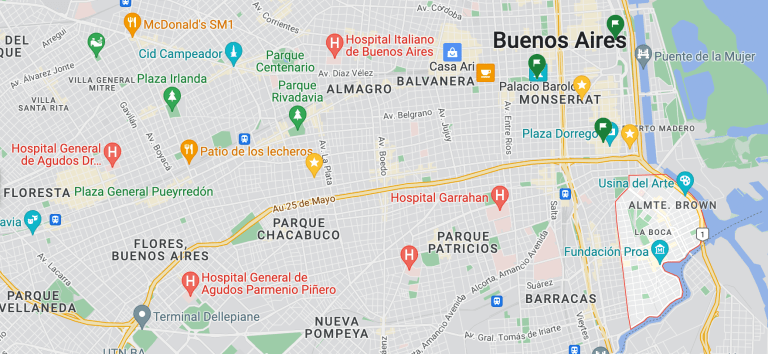
Buenos Aires Neighborhoods
Okay, so now you have some information about how to find housing. But the question remains – where do I want to stay? I’ll provide a bit of information about the main neighborhoods around Buenos Aires.
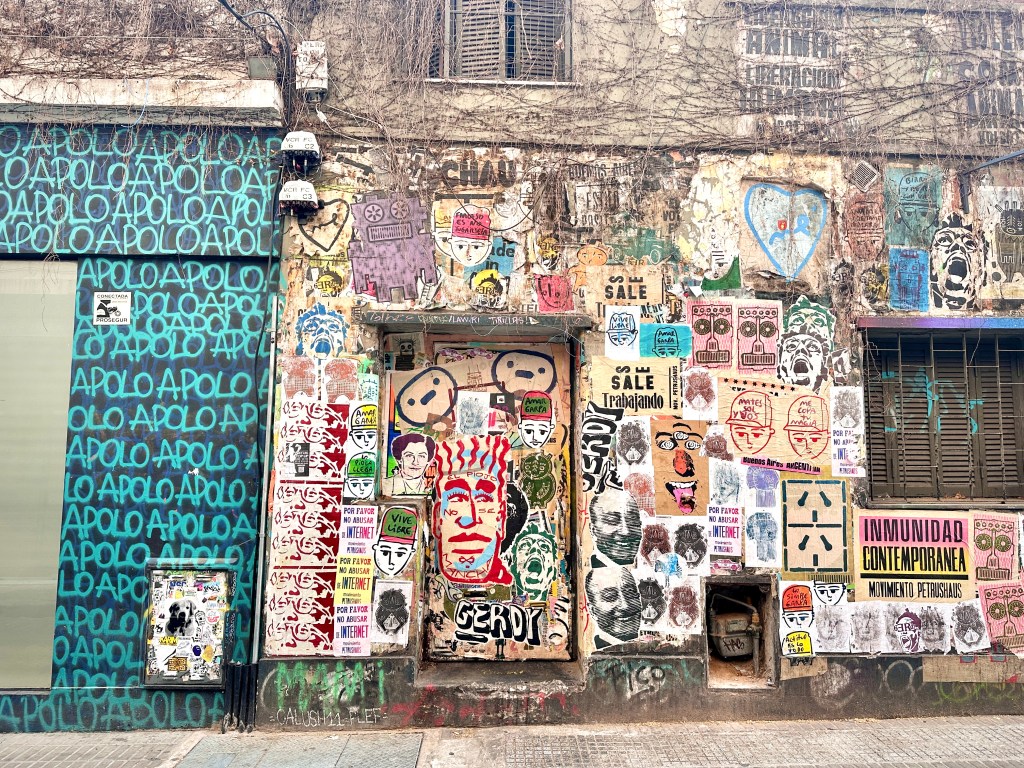
Palermo
The two main areas of Palermo are Soho and Hollywood. This is an area full of international food, bars, and boutique shops. It’s where most foreigners gather.
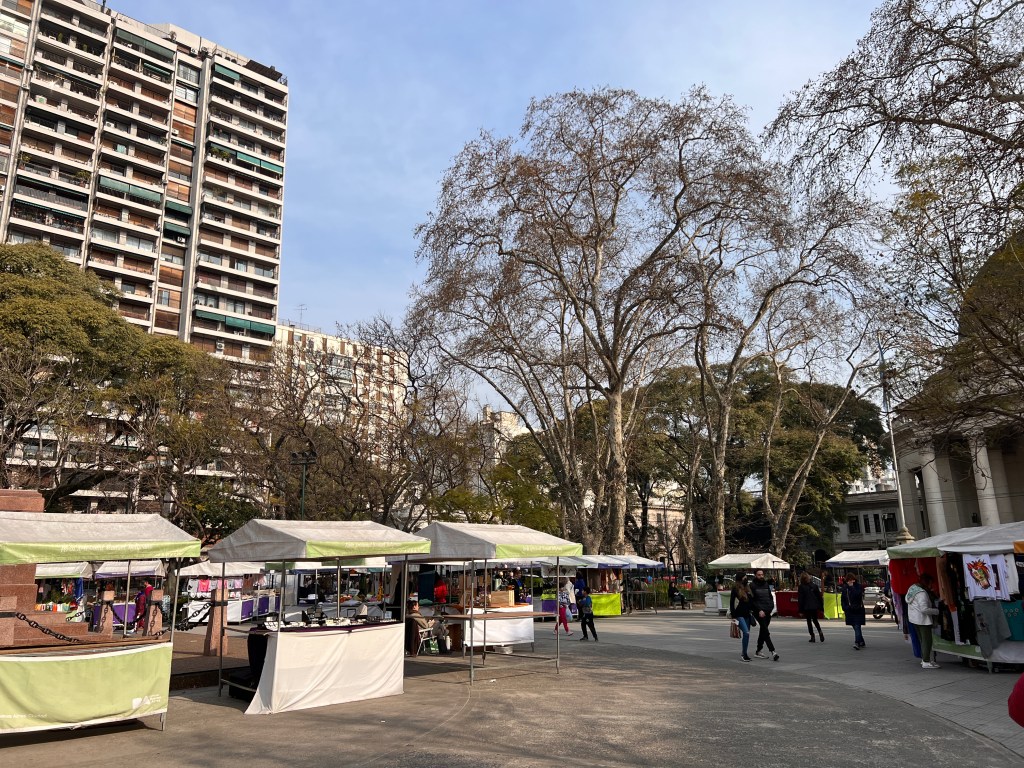
Belgrano
A largely residential and upscale area with relatively low crime. Houses in Belgrano tend to be a bit bigger, and streets are less busy, a very quiet neighborhood.

Villa Crespo
This is an up-and-coming neighborhood. Lots of cool bars and restaurants. Less touristy and crowded than Palermo. Near to subte stations.
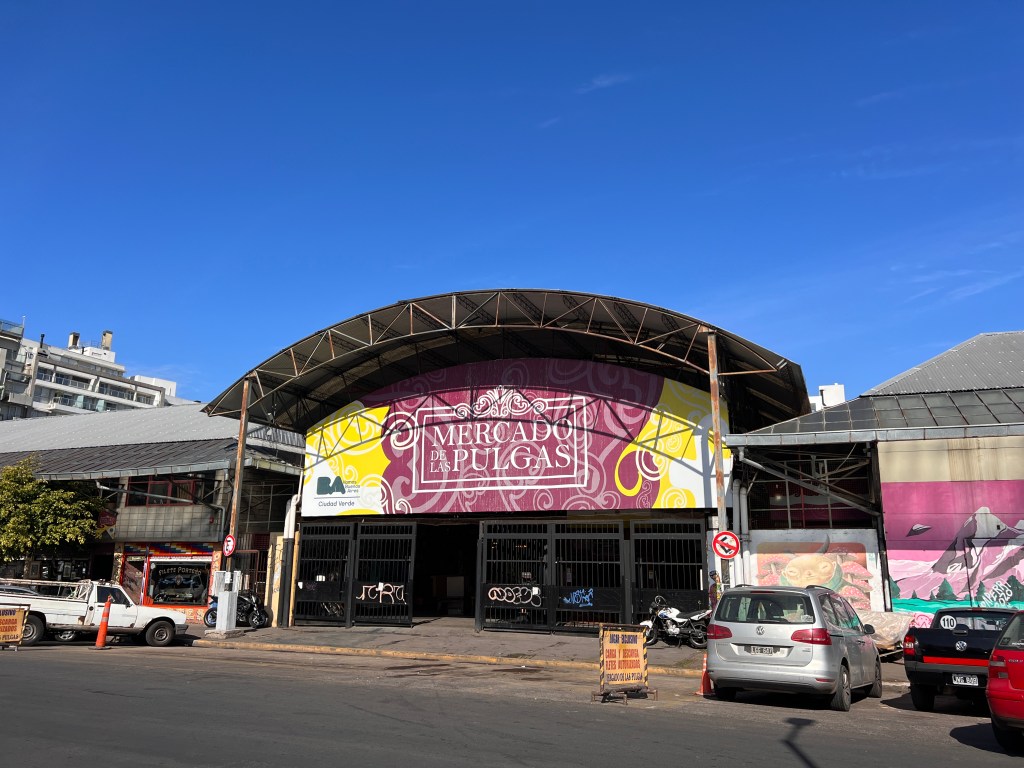
Colegiales
Situated between Belgrano and Palermo, Colegiales is mainly residential. It’s quiet and has great cafes and restaurants.

Recoleta
Recoleta is one of the wealthier areas. The famous Recoleta cemetery is here. The population here tends to be on the older side.

Puerto Madero
Puerto Madero is along the river. It’s a newer, upscale area. Mostly full of banks, offices, restaurants, and bars along the water.

San Telmo
San Telmo is a Bohemian area with lots of cool bars and live music. The famous Sunday market is here. This is one of the oldest areas in the city and has a ton of interesting history.

La Boca
La Boca is known for tango and colorful buildings. There are a few famous touristy streets. But outside of that, it is a low-income hood. My phone got stolen in La Boca.

Micro Centro
This area comprises two main neighborhoods: Monserrat and San Nicolás. It is near to the Casa Rosada and is the spot where all of the subte lines converge. Calle Florida is here.
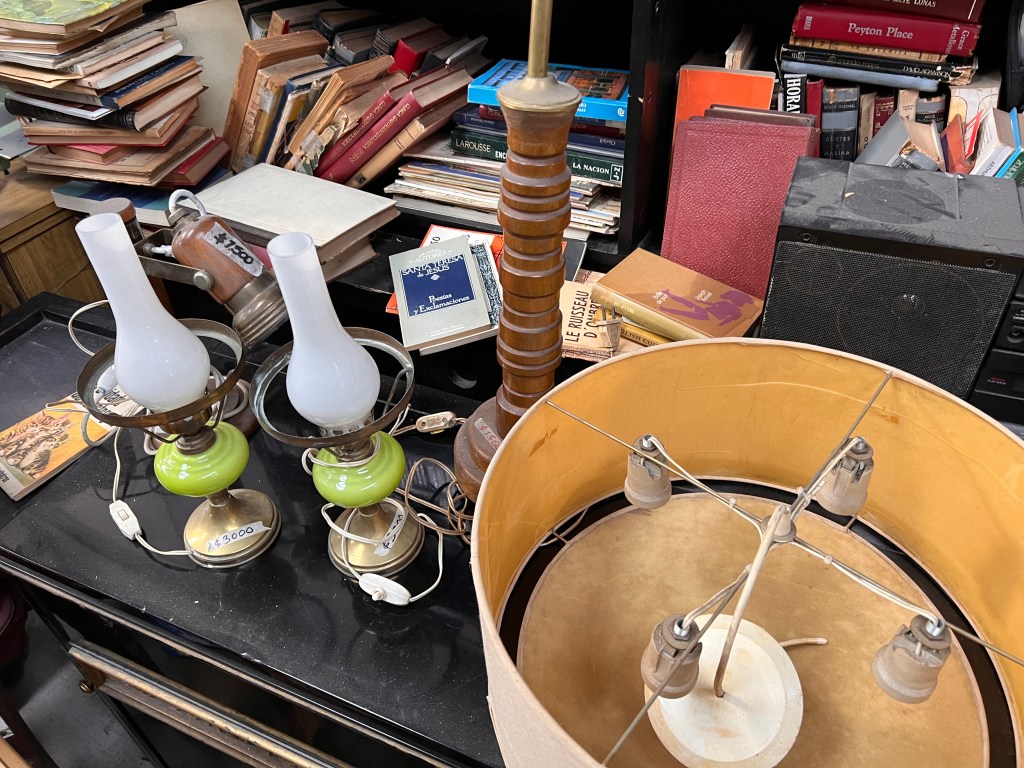
Balvanera
Balvanera is a quiet area, not much in the way of entertainment or parties. It is a famous area to find furniture and antiques.

Almagro
Almagro is safe and residential. It’s along subte A, and has the basics of everything you need. Not much nightlife.

Caballito
Caballito is similar to Almagro. Near subte stations. Nice parks. Good spot between Palermo and Sant Telmo.
Going to Argentina soon? Get Ready at a glance:
Get travel medical insurance with SafetyWing.
Book your stay with Booking.com.
Check Flights with Skyscanner or Hopper.
Rent a car with RentalCars.com or Discover Cars.
Download the Airalo app and get an Argentine eSIM.
Purchase the Ultimate Buenos Aires guidebook.
See all my Argentina guides on the Thatch app.
Take a tour with GetYourGuide or Viator.
Have a 1:1 consultation with me in advance!
Making Friends in Buenos Aires
One of the best things about traveling is meeting new people. Now with social media, that is even easier. When I was here in 2005, I had just created my MySpace page and found friends via Craigslist. Things have changed drastically since then!

The best source of information is easily the Buenos Aires Expat Hub. Join the group and spend some time scrolling through the posts, and use the search function before asking a question, because very likely it has already been asked by someone else.
There are a ton of events going on in Buenos Aires every single night, and the WhatsApp groups are very active. There is a group for everything- sports, basketball, meet-ups, specific neighborhoods, etc. You can probably find these groups mentioned in the Expat Hub Facebook group. If you can’t find them, then just ask. Several people will be more than willing to provide you with a link to join! 🙂
Money in Buenos Aires
Probably one of the first things you’ll start to hear about is the fragile state of the Argentine economy. High inflation and devaluation of the peso. As a result, there are three main exchange rates: The official rate, the blue rate, and the MEP rate. I made an entire blog post just about money in Argentina.
Exchange Rates
There are several exchange rates, but the main ones are: The official rate, the blue rate, and the MEP rate. You can always check the current rates on bluedollar.net and dolarhoy.com.
Back in 2022, prices were basically cut in half if you paid in cash due to the various exchange rates. Now, in 2025, the rates are all very similar. This is good and bad. It’s bad because everything is more expensive. It’s good because you can use a credit card at most places and get the same price.
The official rate
This is the official government rate, and the rate you’ll get at the bank or when you take money out of an atm. In Argentina, the maximum withdrawal limit at an ATM is the equivalent of $60 USD.
The blue rate
This is the unofficial, or Black Market rate. This is the rate you’ll get when you pay in cash or use a debit card, or send yourself money with Western Union.
The MEP rate
This is the rate you’ll get when you use a credit card. Some credit cards use this rate right away. Some credit cards charge you the official amount, and then refund you the difference a few weeks later.
Western Union in Buenos Aires
This is the best way to get cold, hard cash in Argentina.
It’s easy to create an account with Western Union. You’ll need to connect your foreign bank account and send yourself money.
When you arrive in Argentina, you can just go to any branch in Argentina and pick up your money. Bring the MCTN number and your passport with you. Make sure you enter your name on the electronic transfer exactly as it shows in your passport so you don’t run into any issues.
The Western Union gives the blue rate. Go straight home and drop off your money once you pick it up, so you’re not walking around the streets with big piles of cash. I recommend this option for its ease. It also feels less stressful than bringing a ton of cash with you on the plane.
Money Exchange
You’ll need to find a ‘cueva‘ that is willing to exchange at the blue rate. If you walk down Calle Florida, you’ll see a ton of people yelling out ‘cambio cambio.’ You can exchange with them.
Better yet, ask someone who has been here for longer where they do their exchanges, so you’ll have an idea of somewhere trusted.
You can also try to find an arbolista. That is someone who will come to your house to do an exchange on the blue dollar. Most hotel concierges or local Argentinians know an arbolista, so ask around.
Getting a SIM Card
I suggest getting a small package with Airalo when you first arrive in Argentina. That way you will have data right away, and you won’t have to stress about finding a local SIM card when you’re tired and don’t know the city. Buy the package in advance, and then connect to the WIFI in the airport to activate your plan.
Check out the Argentina e-sim options with Airalo. If you use Airalo, make sure to use code NICHOL5388 to get $3 off your first purchase.
Once you get yourself sorted, you can go find a local SIM card, which is much more affordable. I recommend the Claro store. There are several branches around the city.

You need to show your passport in order to get a local SIM card. Normally, you need to buy the “tourist package” to start, which costs $15 and gives you 25 GB of data for 30 days. After 30 days, you can recharge your data plan at a local kiosk.
Transportation in Buenos Aires
Buenos Aires is a big city with excellent transportation. There are tons of city buses (colectivos), the subte (short for ‘subterraneo‘- underground), and a train that will take you to other great spots just outside the city. It’s easy to use Google Maps to find out which bus or subte you should take.

You need the SUBE Card
The first thing you should do for yourself is get a Sube card, and then preload some money onto it. Your balance will be deducted each time you tap it on the train, subte, or bus.
You can do a ‘recarga‘ (recharge) at most kioskos (if they have the blue Sube sign) and inside the subte stations. There are machines labeled ‘recarga.’ You just need to put your card on the scanner, tap the screen, load your cash, and just like that, you’re back in business.

Taking the SUBTE in Buenos Aires
Almost all subte lines lead to the Microcentro (often Avenida de Mayo), except for the yellow line H, which crosses over lines A, B, D, and E. Blue line C goes through Avenida de Mayo in the directions of Retiro and Constitución stations. You need to scan your Sube card when you enter, but not when you exit.


The Buenos Aires bus system
The price of the bus varies, depending on where you’re going. When you enter the bus, you’ll need to tell the driver the location you’re going to (generally the name of the street where you’re getting off), he’ll type something in, and then you can scan your Sube card. Once the little green check mark appears, you’re good to go!
This can be intimidating at first, but you can do it! Take a look at Google Maps before you get on the bus so you know exactly what to say. You can also show the driver where you’re going on the map, and he’ll help you.

Taking the Buenos Aires Train
The Mitre train line will take you out of the city to the surrounding areas of Martinez, San Isidro, etc., and ends at Tigre. Take the Subte to the Retiro station and follow the signs for Mitre. The Tigre line is on andén 2 (platform 2). Scan your card and enter. It takes about 1 hour to get from Retiro to Tigre, but it’s worth the ride.

Buenos Aires Safety
The idea of safety is subjective, and like any major city, Buenos Aires also has its fair share of pickpockets and scams. Stay alert, don’t carry a lot of cash on you, and wear your backpack to the front as you’ll see locals doing. Try to avoid using your cell phone on the street as much as possible. Here are the scams I’ve heard of so far:
Motorcycle Robberies
If you’re using your cell phone while walking down the street, a motorcycle will drive right past you, sometimes even up on the sidewalk, grab it out of your hands, and drive away quickly (“motochorros“). They often work in pairs. One drives and the other runs by, grabs your phone, and jumps back on the bike.
It all happens so fast, it’s hard to react. My phone was stolen in Buenos Aires. I reported it to the police, but they didn’t help at all. Phone theft is so common in this city that they don’t do much.
If you need to use your phone, step inside a shop or a doorway. Don’t stand near the edge of a street. Don’t leave your phone on the table, especially if you’re sitting outside or near a window. Sometimes people grab phones through restaurant or car windows.
Dirty Water Dripping Down
This is a unique scam I saw someone mention on the FB group – A girl was walking on Avenida de Mayo, when suddenly a bunch of dirty water fell on her from one of the balconies above. A couple of people pretended to help her, and in the confusion, they grabbed her backpack and ran.
Unfortunately, it had her laptop, cell phone, and a few personal and meaningful items she may not ever get back. Be vigilant, just as in any big city, and be aware that even something as random as dirty water falling from a balcony can be a trick.
I’m not saying there is more crime in Buenos Aires than in any other city, but just use your street smarts and stay aware while walking in public. Do what you would do if you were in New York City, Los Angeles, or Rome. Be aware.
Final Thoughts on Visiting Buenos Aires for the First Time
There are things to look out for when you travel, and Buenos Aires is no different. That does not take away from the beauty and love that this country has to offer. I hope these tips have helped you to prepare for your first trip to the City of Fury.

TRAVELING SOON?
INSURANCE: Cover yourself with travel medical insurance by SafetyWing.
FLIGHTS: Get the best flight deals with Skyscanner and set flight alerts with Hopper.
STAYS: Check out hotels and apartments with Booking.com and Vrbo.
RENTAL CARS: Get the best deal on rental cars with Discover Cars or RentalCars.
GOING HIKING? Get a 30% discount off your yearly AllTrails+ Account (code: nickiposts30)
eSIM: Get an international eSim with Airalo.
CITY GUIDES: Save time and purchase pre-made city guides with Thatch.
CITY TOURS: Book your tour with GetYourGuide and Viator
LUGGAGE: Get the best carry-on suitcase here.
CREDIT CARD: Start earning travel points with the best travel credit card.
BUENOS AIRES GUIDE: Purchase my Buenos Aires travel companion here.
CONSULTATION: Book a 1:1 travel consultation with Nicki here.
SUBSCRIBE: Get the Nicki Posts Travel Stuff newsletter every month.
TRAVEL BETTER: Check out my Travel Tips and best Travel Resources pages.
MORE? Check out more on my LINKS page to find me in more places!




You must be logged in to post a comment.